
1. What is cervical cancer?
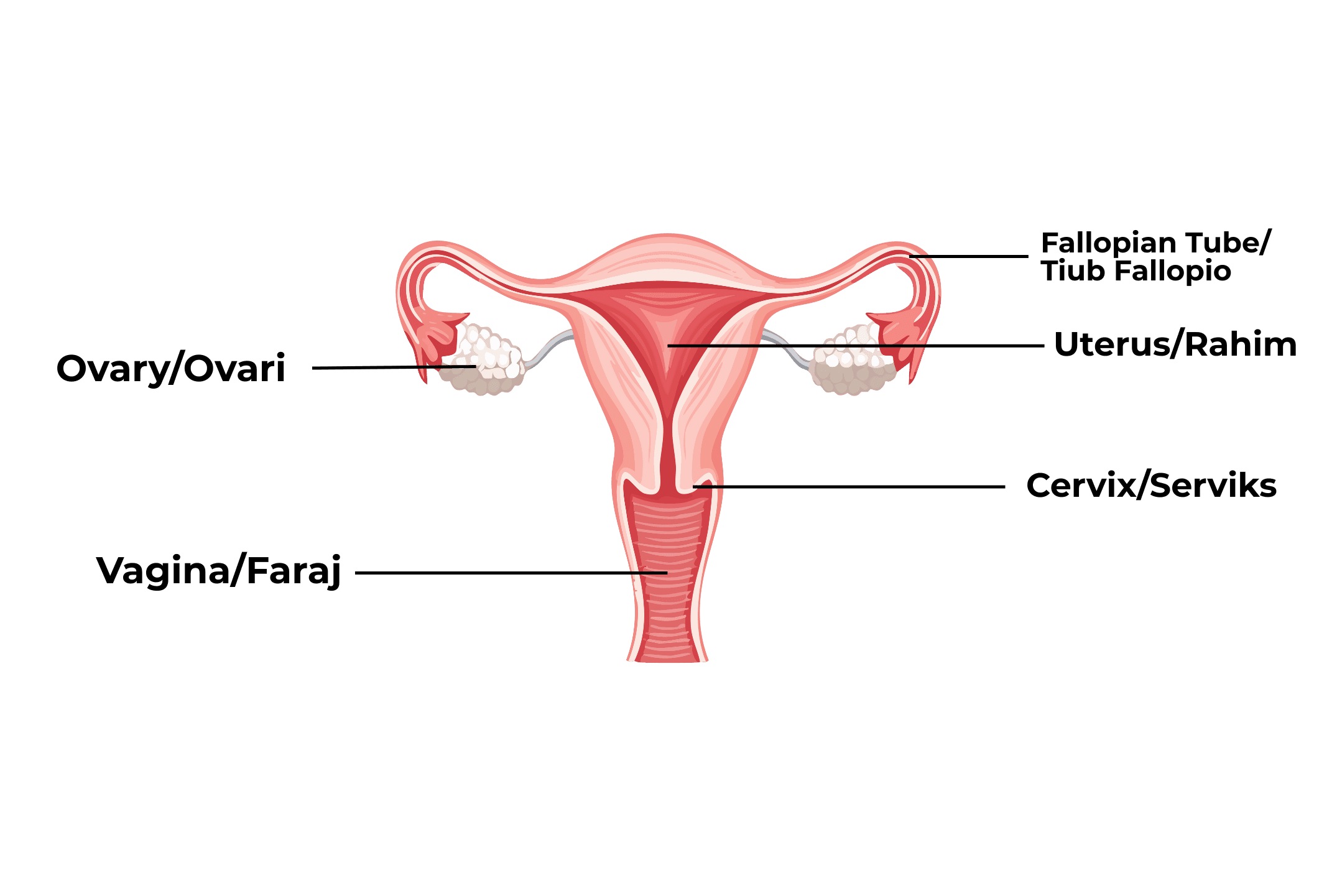
2. What causes cervical cancer?
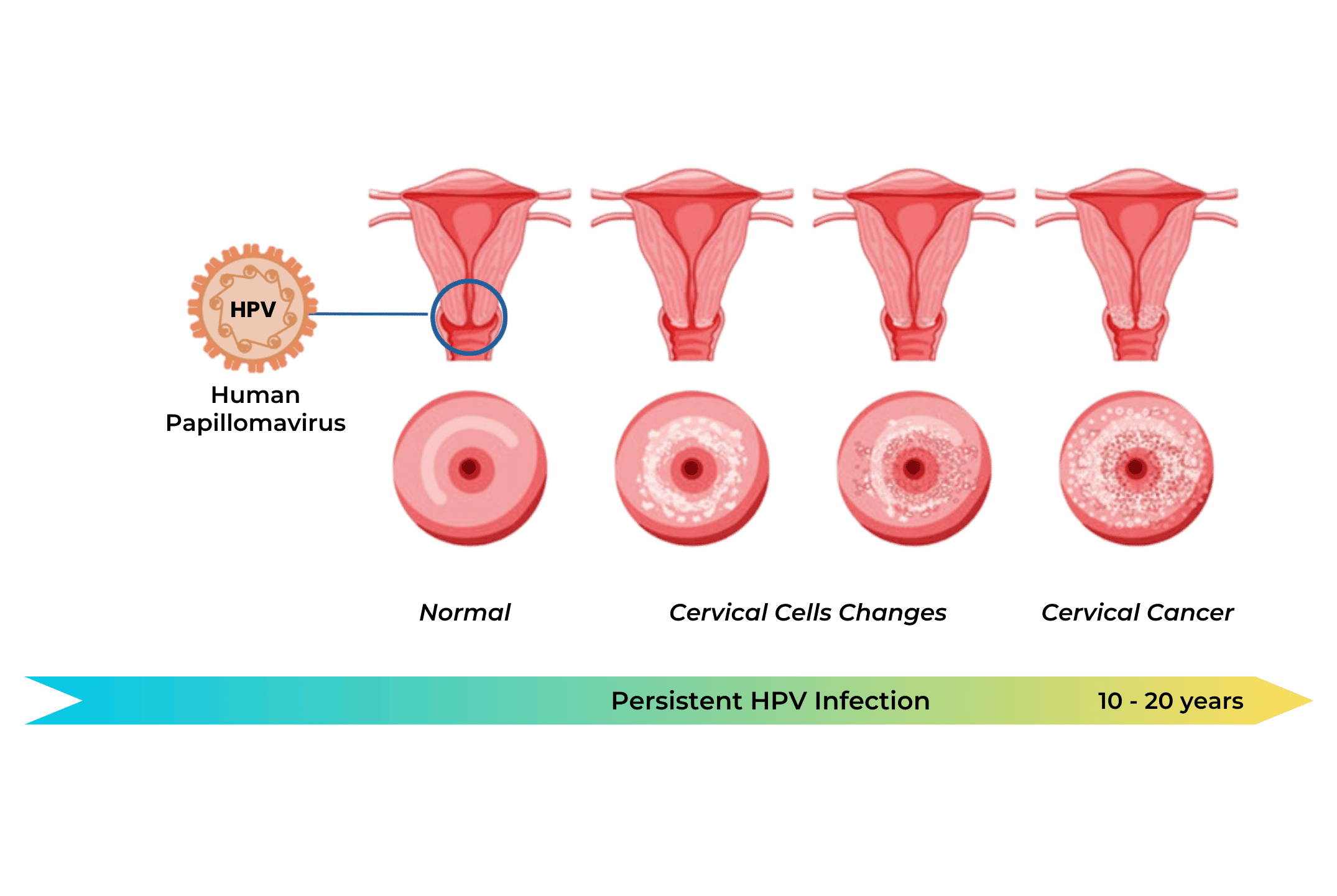
Most cases of cervical cancer are caused by a persistent infection with a virus called Human Papillomavirus (HPV). HPV is a very common virus spread through sexual contact and 80% of men and women nearly will be infected at some point of their lives usually without exhibiting any symptoms.
In most cases, the immune system can clear the virus on its own within 2 years. However, in small percentage of cases, the virus persists for many years which can eventually lead to the development of cervical cancer.
3. How does cervical cancer develop?
Typically, it takes 10 to 20 years for abnormal cervical cells to develop into cancer. However, in women with weakened immune systems such as those living with untreated HIV this process can be faster, occurring in as little as 5 to 10 years.
4. Who is at risk of cervical cancer?
Anyone with a cervix.
Other risk factors include:
- Not getting regular cervical screening.
- Having persistent HPV infection.
- Smoking.
- Having a weakened immune system.
5. What are the symptoms of cervical cancer?
In the early stages, cervical cancer may not cause any symptoms.
As it progresses, some signs might include:
- Unusual vaginal bleeding (between periods or after sex).
- Menstrual bleeding that is heavier and last longer than usual.
- Pelvic pain or pain during intercourse.
- Vaginal discharge with an unusual smell or colour.
These symptoms don’t always mean cervical cancer, as they could be linked to other health conditions. However, if you experience any of them, it’s important to see your gynecologist for evaluation and peace of mind.
6. How can cervical cancer be prevented?
Cervical cancer is one of the most preventable types of cancer. That’s because it usually develops slowly often over 10 to 20 years and is most often caused by high-risk types of HPV. With the right steps, we can stop it before it starts. Here’s how:
Getting vaccinated against HPV:
The HPV vaccine protects against the types of HPV that most often cause cervical cancer, especially HPV16 and HPV18. It works best when given before any exposure to the virus usually around ages 11–12, but it can still provide protection if given later.
Regular Cervical Screening:
A validated HPV test is a powerful preventative tool. By detecting the virus that causes cervical changes before cancer develops, it allows doctors to catch problems early, when they are easiest to treat.
Treat Problems Early:
In the circumstances of abnormal findings, they can be treated during a colposcopy before they turn into cancer. That’s why regular checkups and follow-up care are so important. Learn more about colposcopy here.
7. Can cervical cancer be treated?
Yes, cervical cancer can be treated, especially when it’s found early. However, at ROSE Foundation, we focus on prevention and early detection through regular screening. For treatment related questions or support, please speak with your gynecologist or healthcare provider.