
1. What is colposcopy?
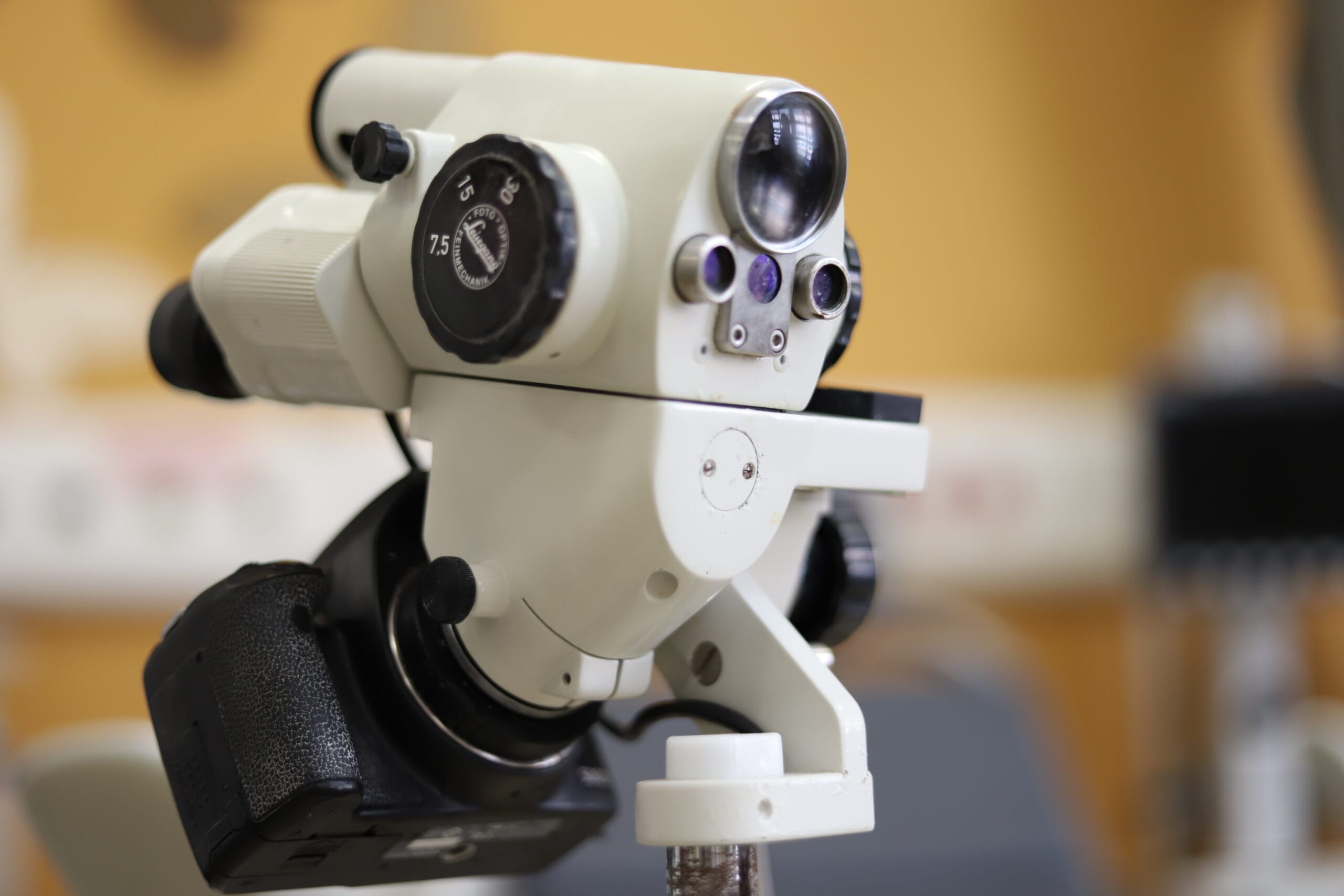
Colposcopy is a simple medical procedure that allows a doctor to closely examine the cervix, vagina, and vulva using a special magnifying instrument with a light, called a colposcope. This instrument helps identify abnormalities that are not visible to the naked eye. Colposcopy is typically performed as a daycare procedure in hospitals and is non-invasive.
2. Why might someone need colposcopy?
Colposcopy is often recommended in the following situations:
- An HPV test has detected high-risk human papillomavirus (HPV) strains.
- A Pap smear has found abnormal cells in the cervix caused by HPV.
- There is unexplained vaginal bleeding (such as bleeding after sex) and your doctor
wants to rule out cervical cancer.
If you are invited to have a colposcopy, try not to worry. It’s very rare to find cervical cancer during this procedure. Even if precancerous cells are found, they are not likely to become cancerous while you are waiting for your appointment.
Colposcopy allows your doctor to identify and treat precancerous cells early, helping prevent cancer before it starts.
3. How to prepare for a colposcopy?
Getting ready for a colposcopy is simple:
- Schedule your appointment when you are not on your period, as heavy bleeding can interfere with the procedure.
- Eat and drink normally beforehand.
- Wear comfortable clothing and bring a support person if it helps you feel more at ease.
- Tell your doctor if you have any allergies to local anesthesia.
4. What to expect during colposcopy?
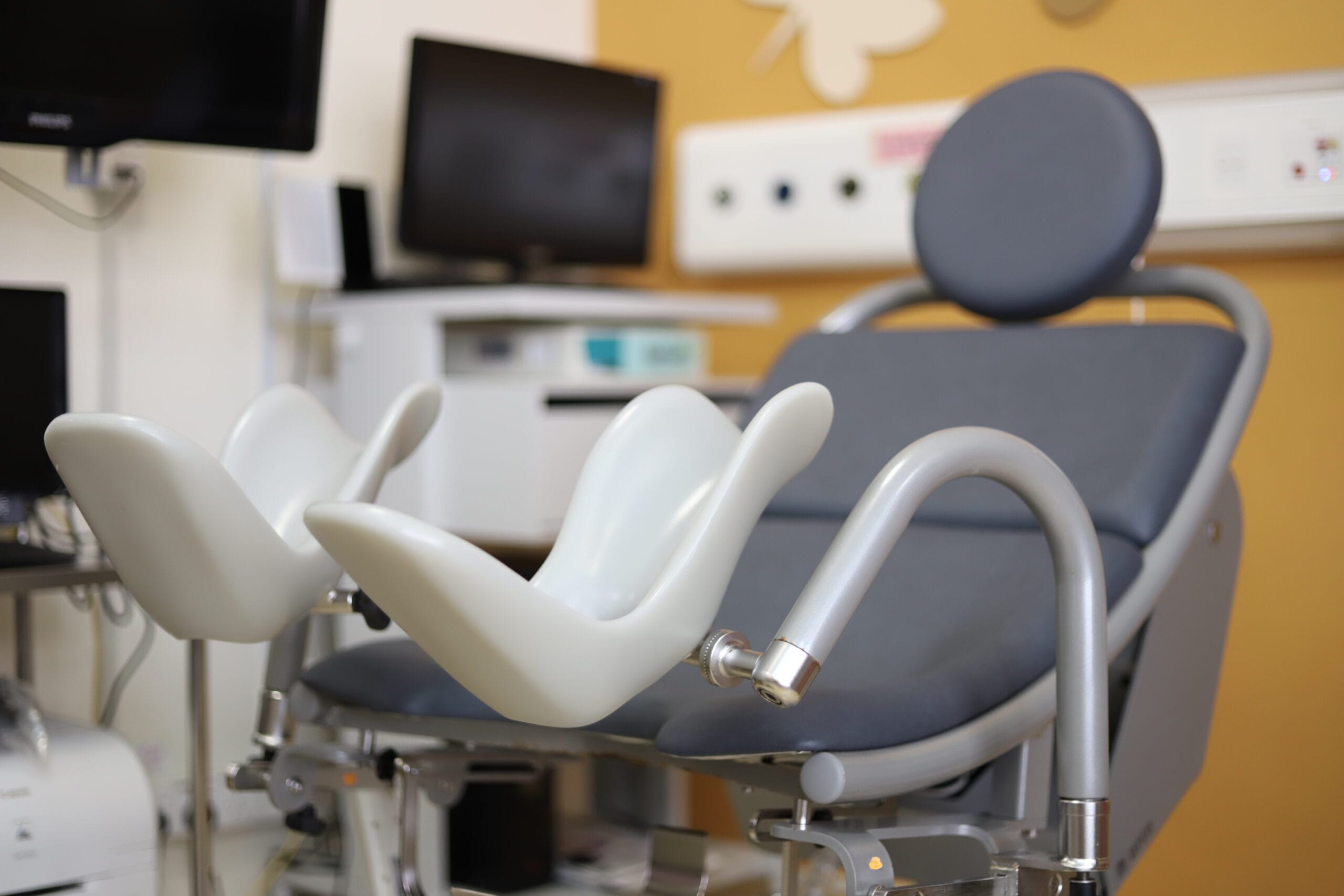
During the procedure, you’ll lie on an exam chair with your legs supported. The doctor will gently insert a speculum to open your vagina and see your cervix. The colposcope remains outside the body, and the doctor will check the cervix for any abnormalities. A special solution will be applied to the cervix to highlight abnormal areas. The procedure itself usually lasts 10–15 minutes and is painless, but you may feel mild pressure or stinging from the solution.
5. What happens during a biopsy?
If abnormal areas are identified, the doctor may take a small tissue sample (biopsy) for further analysis. Before the biopsy is taken, local anesthesia may be used to minimise discomfort. The biopsy is usually quick and may cause mild cramping or a brief pinching sensation. If any bleeding occurs, the doctor will stop it using a quick treatment called thermal ablation.
6. What to expect after the colposcopy?
After the procedure, you can usually return to normal activities if you didn’t have a biopsy. If you had a biopsy, you might notice light spotting or mild cramping for a few days. It’s important to follow any aftercare instructions provided by your doctor, such as avoiding tampons, sexual intercourse, douching or bathtubs for a few weeks to allow the cervix to heal naturally.
7. When to call your doctor?
After colposcopy, mild cramping and light spotting is normal. However, you should contact your doctor if you experience any of the following:
- Heavy vaginal bleeding (soaking a pad for every hour for two or more hours).
- Severe abdominal or pelvic pain that doesn’t improve.
- Fever or chills.
- Foul-smelling vaginal discharge.
These symptoms could be signs of an infection or other complication, and it’s important to
seek medical advice if they occur.
8. Getting your results
The results of a colposcopy and any biopsies taken are typically available within 2-3 weeks, depending on the hospital. Your doctor will explain the findings and discuss any necessary follow-up steps. If abnormalities are detected, further treatment or monitoring may be recommended to prevent potential complications.
Key Takeaways
- Colposcopy is a simple and important tool that helps doctors find and treat any changes early, before they can become serious.
- If you’ve been invited for a colposcopy, remember that it’s a precautionary step to protect your health and is not a cause for panic.
- Most people find the procedure manageable and recover quickly afterward.
If you have any questions or concerns, don’t hesitate to reach out to your healthcare team. They are there to support you every step of the way.